2026-09-22 ·
Electrical Fire Warning Signs Every NY Homeowner
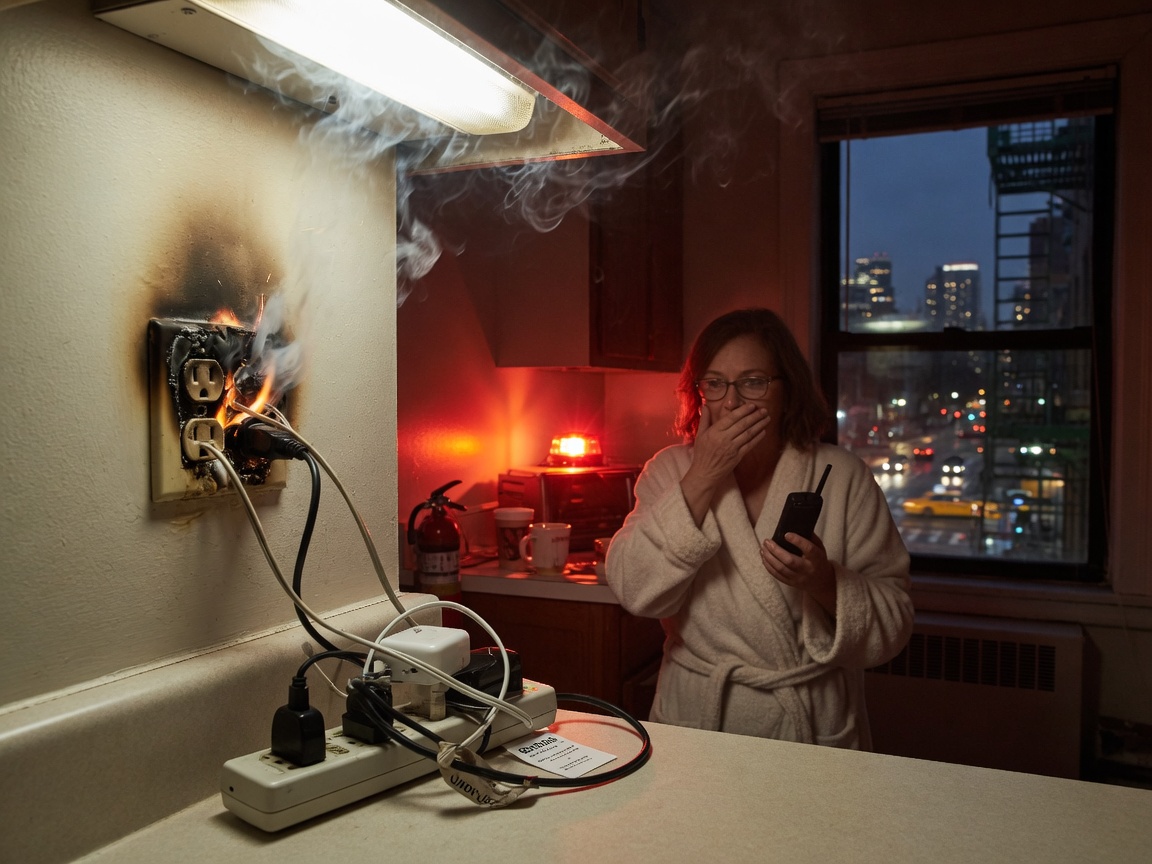
Electrical fire warning signs in New York City homes most often start with flickering lights, warm outlets, and a persistent burning smell near panels or switches. These signals appear frequently in buildings constructed before 1970 across Manhattan, Brooklyn, and Queens where knob-and-tube or aluminum wiring still exists behind walls. Homeowners who notice these issues early can prevent damage that spreads quickly through shared walls in multi-unit structures. Zapron Electrician provides 24/7 emergency response throughout New York City and surrounding areas when these signs appear.
Flickering Lights Signal Loose Connections
Flickering or dimming lights often trace back to loose connections at outlets, switches, or the main panel rather than simple bulb failure. In older row houses throughout Brooklyn and Queens, vibration from nearby subway lines can loosen terminals over decades. When lights pulse in rhythm with appliance use like a refrigerator compressor kicking on, the circuit likely carries more load than the wiring was designed for. Checking each fixture and outlet with a voltage tester reveals hot spots before they arc. Persistent flickering across multiple rooms points to a panel issue that needs immediate inspection rather than repeated bulb replacements.
Burning Odors and Warm Outlets
A distinct plastic or fishy burning smell near outlets or behind walls indicates insulation breakdown from overheating conductors. This occurs often in Manhattan pre-war apartments where multiple high-draw devices share a single 15-amp circuit. Outlets that feel warm to the touch after running a space heater or hair dryer show resistance building at the connections. Scorch marks around switch plates or receptacle covers provide visible confirmation that arcing has already begun. These conditions develop faster in summer months when air conditioning units pull continuous current through undersized wires common in buildings from the 1920s through 1950s.
Frequent Circuit Breaker Trips
Breakers that trip repeatedly when running the microwave and toaster simultaneously reveal circuits pushed beyond safe capacity. Many homes in the Bronx and Staten Island still rely on original fuse boxes or early breaker panels rated for far lower loads than modern households demand. Each trip indicates heat buildup that can degrade wire insulation further. Replacing individual breakers rarely solves the root problem when the panel itself is undersized or corroded from years of humidity in basement locations. Circuit Breaker Repair addresses these patterns directly by testing load balance across all circuits.
Outdated Panels in NYC Housing Stock
Electrical panels installed before 1980 in neighborhoods like Harlem and Bedford-Stuyvesant often lack sufficient amperage for today's appliances and EV chargers. Aluminum branch wiring used in the 1960s and 1970s expands and contracts with temperature changes, creating loose connections inside junction boxes. Homeowners in these buildings notice lights dimming when the dryer starts or the oven preheats. Upgrading the panel to 200 amps with copper pigtails on aluminum circuits removes the fire risk at its source. Electrical Panel Upgrade becomes necessary once three or more circuits show repeated overload symptoms.
Immediate Steps When Signs Appear
Shut off power at the breaker to any circuit showing warmth or odor, then avoid using those outlets until inspected. Document the location and timing of each sign, including which appliances were running, to help the technician isolate the fault quickly. In multi-story buildings common throughout New York City, a problem on one floor can affect shared neutrals serving units above and below. What Causes Sudden Power Loss in Your Home? explains how these early indicators connect to larger outages. Contact Zapron Electrician at any hour for 24/7 emergency response when multiple signs appear together.